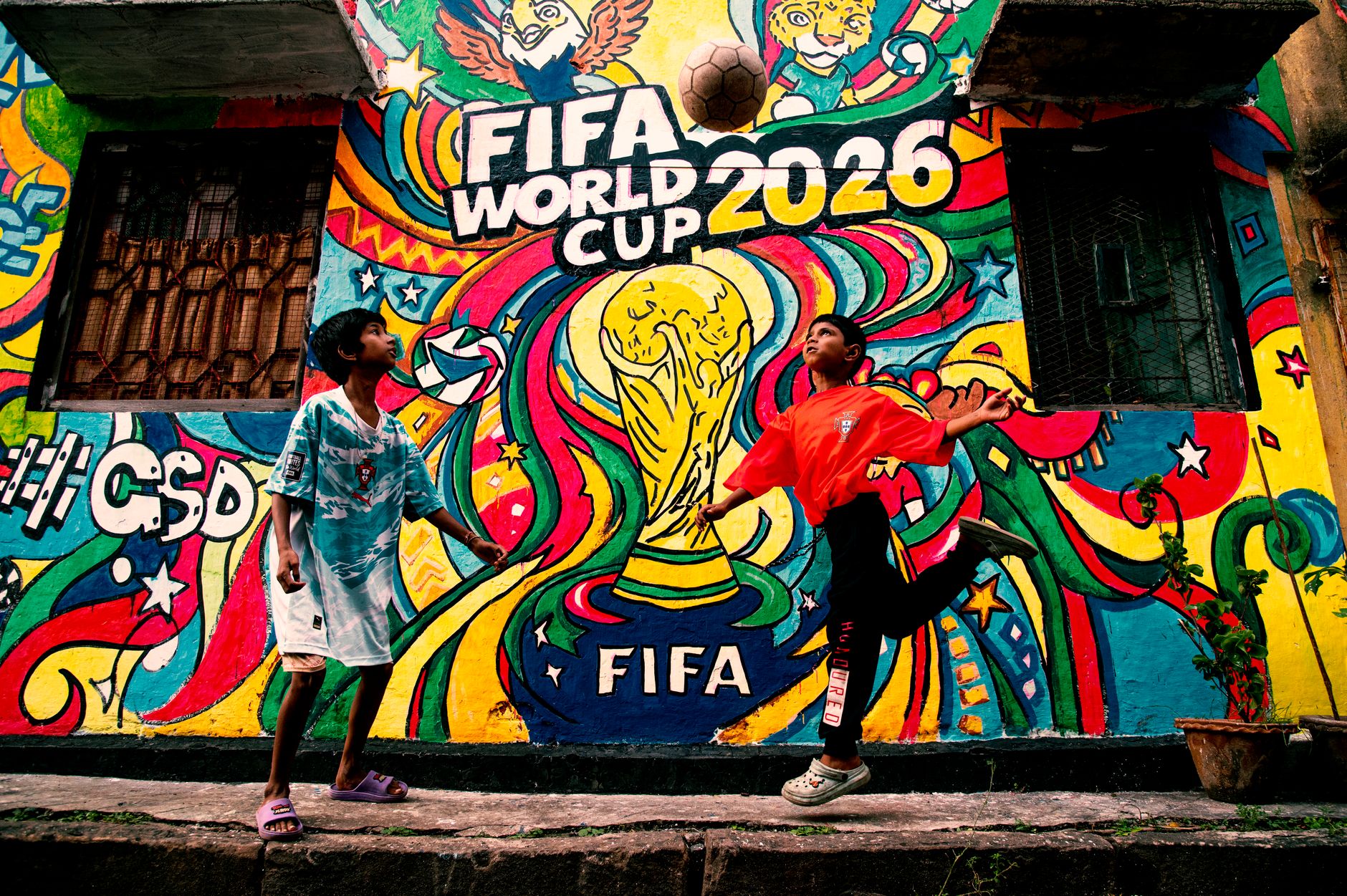
When the final whistle blows at the 2026 FIFA World Cup, the scoreboard will show more than just goals. The tournament, set to be the largest in history with 48 teams competing across three host nations, has already become a fascinating case study in how international sporting events serve as vessels for geopolitical messaging, diplomatic maneuvering, and soft power projection.
The Evolution of Sports Diplomacy
Football has long transcended its status as mere entertainment. Since the Cold War era, when matches between rival nations carried symbolic weight far beyond the pitch, major tournaments have offered countries opportunities to reshape their global image, forge partnerships, and demonstrate organizational prowess to a worldwide audience.
The 2026 World Cup takes this tradition to new heights. For the first time, three nations from North America will jointly host the event, a collaboration that itself sends signals about regional cooperation at a time when globalization faces significant challenges. The United States, Canada, and Mexico are demonstrating that despite political tensions—including immigration disputes, trade disagreements, and diverging foreign policy priorities—shared interests can unite neighboring powers.
Soft Power on the World Stage
Hosting a World Cup offers unprecedented soft power advantages. Billions of viewers worldwide will see host cities, infrastructure, and culture on display. For the United States, which last hosted in 1994, the 2026 tournament provides an opportunity to reconnect with the world's most popular sport and counter perceptions that American interest in football remains peripheral.
The selection of host cities itself becomes political. Urban centers chosen to stage matches gain international visibility, tourism infrastructure, and economic investment. Cities not selected may feel overlooked, creating domestic political tensions that host governments must navigate carefully.
The Geopolitics of Participation
Which nations qualify for the tournament carries its own political weight. Countries use World Cup success to bolster national pride and legitimacy. Authoritarian regimes particularly leverage sporting achievements as evidence of their effectiveness, while democracies showcase their values of fair play and merit-based competition.
The expanded 48-team format ensures broader global representation, giving more nations from Africa, Asia, and smaller confederations opportunities to participate. This democratization of the tournament aligns with broader debates about global governance and whether international institutions adequately represent developing nations.
Economic Implications and Global Messaging
The estimated economic impact runs into billions of dollars, but the true value extends beyond immediate spending. Host nations use the World Cup to attract foreign investment, demonstrate stability, and position themselves as capable partners for international business.
Infrastructure projects tied to the tournament—stadiums, transportation networks, telecommunications upgrades—become showcases for technological advancement and organizational capacity. These visible improvements send messages to potential investors and diplomatic partners about a nation's capabilities and priorities.
Controversies and Contradictions
Recent World Cups have highlighted tensions between sporting ideals and political realities. Questions about labor practices, human rights, and the environmental impact of massive sporting events have intensified. The 2026 tournament will likely face scrutiny over issues ranging from immigration policies to climate commitments.
How host nations respond to such criticism itself becomes part of the geopolitical narrative. Defensive reactions or reforms undertaken in response to pressure reveal much about how countries balance international opinion against domestic priorities.
The Diplomatic Side Events
Beyond the matches themselves, World Cups facilitate countless bilateral meetings between world leaders, business delegations, and diplomatic corps. The concentration of global attention creates opportunities for negotiations, announcements, and symbolic gestures that might otherwise struggle to capture international notice.
These side conversations may ultimately prove more consequential than the tournament results. Trade agreements, security partnerships, and cultural exchanges often germinate in World Cup host cities, where the celebratory atmosphere encourages relationship-building that more formal diplomatic settings might inhibit.
Looking Forward
As 2026 approaches, the tournament will increasingly serve as a barometer for North American unity and global perceptions of the region. In an era of rising nationalism, economic uncertainty, and shifting power dynamics, how successfully the three host nations collaborate—and how the world receives their joint effort—will offer insights into broader trends shaping international relations.
The beautiful game, it turns out, provides an unexpectedly revealing window into the complicated world of global politics. When the opening match kicks off, millions will watch not just for sporting excellence, but for what the spectacle reveals about our interconnected, competitive, and endlessly complex international system.